Natural touch for Glowing Skin & Everyday Beauty

Top 10 Anti-Aging Ingredients for Your Skincare Routine

I’m excited to share with you the top anti-aging ingredients. They can change your skincare routine. And help you look more youthful.
It’s important to know how skin ages. By using the right anti-aging ingredients in your daily skincare routine, you can get great results. And keep your skin looking youthful.
Key Takeaways
- Identify the most effective anti-aging ingredients for your skincare needs.
- Understand how to incorporate these ingredients into your daily routine.
- Learn the science behind skin aging and how to combat it.
- Discover the benefits of a consistent skincare routine.
- Achieve a more youthful appearance with the right anti-aging ingredients.
Understanding the Science of Skin Aging
It’s important to know how skin aging works to make your skincare routine better. As we get older, our skin can’t repair itself as well. This is because it loses its natural ability to stay strong and healthy.
How Skin Ages Naturally
Genetics and hormones play a big role in skin aging. When we age, our skin makes less collagen and elastin. These are key for keeping our skin tight and smooth. Without enough, wrinkles start to show, and our skin feels less firm.
Environmental Factors That Accelerate Aging
Things like UV rays, pollution, and smoking make skin age faster. UV rays hurt the DNA in skin cells, causing early aging.
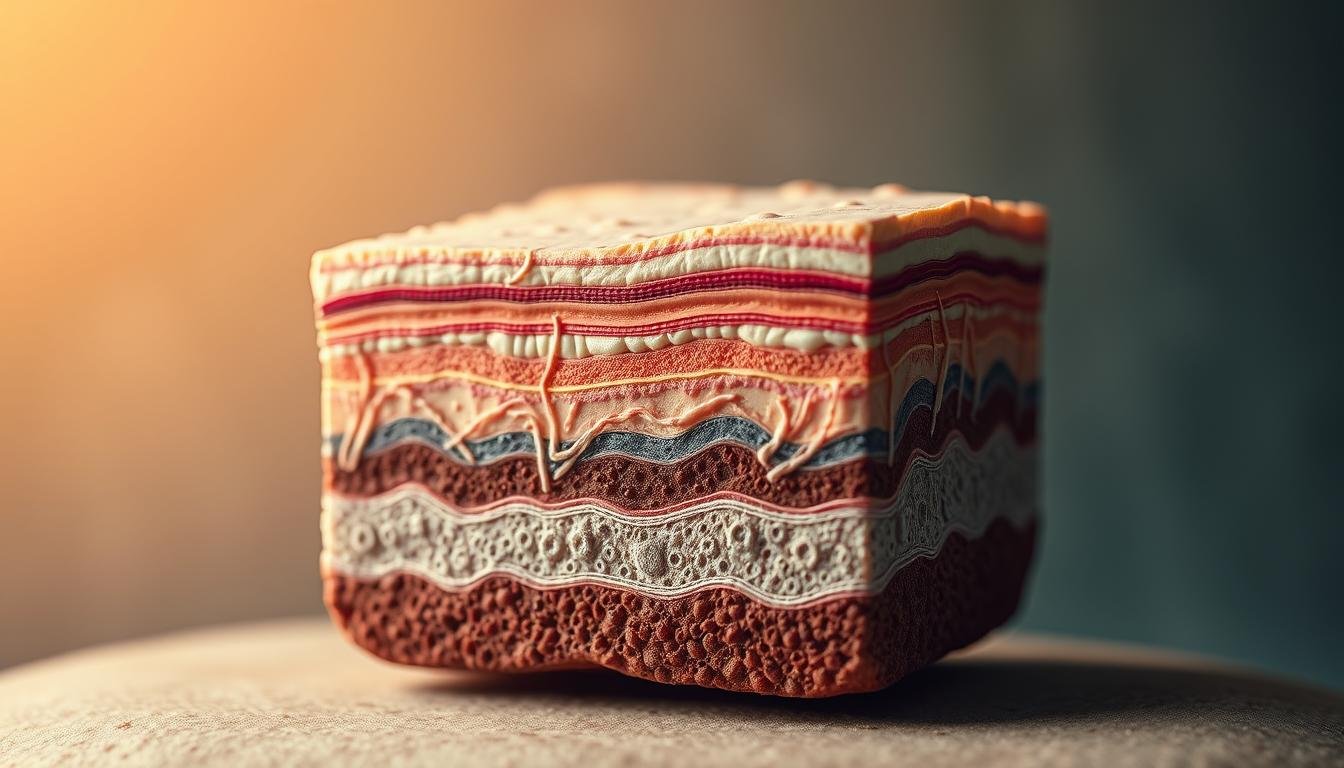
| Environmental Factor | Effect on Skin |
|---|---|
| UV Radiation | Damages DNA, leading to premature aging |
| Pollution | Increases oxidative stress, damaging skin cells |
| Smoking | Reduces blood flow, damaging skin’s elasticity |
The Role of Active Ingredients in Anti-Aging
Active ingredients are key in fighting aging signs. Stuff like retinol, vitamin C, and hyaluronic acid can make skin look better. They help smooth out wrinkles and keep skin moist. Using products with these ingredients can really help show off your youthful glow.
Top10 Anti-Aging Ingredients You Need in Your Skincare Routine
Discover the top 10 anti-aging ingredients that can transform your skincare routine. These ingredients have been carefully selected based on their efficacy and scientific backing.
How These Ingredients Were Selected
The selection of these top 10 anti-aging ingredients was based on a comprehensive review of scientific literature and skincare expert opinions. I considered ingredients that have been proven to address various signs of aging, such as wrinkles, loss of firmness, and hyperpigmentation.
What Makes These Ingredients Effective
These ingredients are effective due to their ability to target specific aging concerns. For instance, some boost collagen production, while others provide intense hydration or protect the skin from environmental stressors.
| Ingredient | Primary Benefit | Example Product |
|---|---|---|
| Retinol | Stimulates collagen production | Retinol Night Cream |
| Vitamin C | Antioxidant properties | Vitamin C Serum |
| Hyaluronic Acid | Hydrates the skin | Hyaluronic Acid Moisturizer |
Retinol: The Gold Standard in Anti-Aging
Retinol is a top choice in anti-aging skincare. It’s a vitamin A derivative that’s been well-studied and shown to work well against aging signs.
What Is Retinol and How It Works
Retinol boosts cell turnover. This means it gets rid of old skin cells, leaving your skin smoother and brighter. It also helps make more collagen, which makes wrinkles and fine lines less noticeable.
Benefits for Wrinkles, Texture, and Tone
Retinol does a lot for your skin. It cuts down on wrinkles and fine lines. It also makes your skin texture and tone better, making you look younger. Using it regularly can make your skin clearer and reduce age spots.
How to Incorporate Retinol Into Your Routine
To add retinol to your skincare, start with a small amount. This lets your skin get used to it. As your skin gets more tolerant, you can use more. Always use sunscreen during the day because retinol can make your skin more sun-sensitive.
Potential Side Effects and Precautions
Retinol is usually safe, but some people might get redness, irritation, or dryness. To avoid these, start with a little and slowly add more. If you’re pregnant or breastfeeding, talk to a dermatologist before using retinol.
| Concentration | Benefits | Potential Side Effects |
|---|---|---|
| 0.25% – 0.5% | Mild improvement in skin texture | Minimal irritation |
| 0.5% – 1% | Noticeable reduction in fine lines and wrinkles | Moderate irritation possible |
| 1% and above | Significant anti-aging benefits | Higher risk of irritation and dryness |
Vitamin C: The Brightening Antioxidant
Vitamin C is a strong antioxidant that protects the skin from harm. It makes the skin look brighter and supports collagen production. It also helps reduce dark spots.
Fighting Free Radical Damage
Vitamin C is great at fighting free radicals. These unstable molecules can cause aging. It keeps the skin safe from pollution and UV rays.
Antioxidant Properties: Vitamin C stops aging signs by neutralizing free radicals. This reduces stress and makes the skin healthier.
Benefits for Collagen Production and Hyperpigmentation
Vitamin C boosts collagen, keeping the skin firm. It also lowers dark spots by stopping melanin production.
“Vitamin C is a potent antioxidant that not only brightens the skin but also enhances collagen production, leading to a more youthful and radiant appearance.”
Different Forms of Vitamin C in Skincare
Vitamin C comes in different forms like L-ascorbic acid and sodium ascorbate. Each has its own benefits and how well it works on the skin.
| Form of Vitamin C | Stability | Benefits |
|---|---|---|
| L-ascorbic acid | Low | Highly effective in brightening and collagen production |
| Sodium ascorbate | Moderate | Stable and effective in antioxidant protection |
| Magnesium ascorbyl phosphate | High | Gentle and suitable for sensitive skin |
Best Practices for Using Vitamin C Products
To get the most from vitamin C products, use them right. Apply in the morning for all-day protection. Always follow with sunscreen.
Adding vitamin C to your skincare routine can brighten and protect your skin. It’s key for collagen and fighting dark spots.
Hyaluronic Acid: The Hydration Powerhouse
Hyaluronic acid is a top choice for keeping skin hydrated. It holds moisture like no other, making it key for young-looking skin.
Understanding Hyaluronic Acid’s Moisture-Binding Properties
Hyaluronic acid is found naturally in our skin. It can hold up to 1000 times its weight in water. As we get older, we lose this acid, causing dryness and wrinkles. Adding hyaluronic acid to our skincare helps restore moisture and improve skin’s elasticity.
How Hydration Prevents and Improves Signs of Aging
Keeping skin hydrated is vital for fighting wrinkles. Hydrated skin looks plumper and more vibrant, hiding signs of aging. It also keeps the skin’s barrier strong, shielding it from harm.
Different Molecular Weights and Their Benefits
Hyaluronic acid has different sizes, each with its own benefits. Small molecular weight hyaluronic acid goes deep into the skin, offering deep hydration. Large molecular weight hyaluronic acid creates a protective layer, keeping moisture in and damage out.
Incorporating Hyaluronic Acid Into Your Routine
To get the most from hyaluronic acid, use it in serums, creams, and masks. Apply it after cleansing and toning, and before moisturizing. This way, you’ll enjoy better hydration and a younger look.
Peptides: The Cellular Communicators
Peptides are changing the skincare world. They talk to cells and start anti-aging processes. This makes them a key part of many skincare routines.
What Are Peptides and How They Work
Peptides are short amino acid chains. They help cells talk to each other. They tell cells to make collagen and elastin, keeping skin young and healthy.
By making more collagen, peptides make skin elastic. They also help reduce fine lines and wrinkles.
Different Types of Peptides and Their Benefits
There are many peptide types in skincare. Each has its own benefits. For example, acetyl hexapeptide-8 relaxes facial muscles. This reduces expression lines.
How Peptides Support Collagen and Elastin
Peptides send signals to cells to make more collagen and elastin. This makes skin strong and less wrinkled. Skin looks younger and more radiant.
Best Peptide Products and How to Use Them
Choose serums or creams with peptides and anti-aging ingredients. Apply to clean skin, massaging until absorbed. Use them daily for the best results.
Niacinamide: The Multi-Tasking Miracle
Niacinamide is a game-changer in skincare. It offers many benefits that tackle aging concerns. This ingredient improves skin health and looks in several ways.
The Versatile Benefits of Niacinamide
Niacinamide is great for any skincare routine. It boosts skin barrier function, enhances skin texture, and shrinks pore size. Adding niacinamide can give you a brighter, more even-toned skin.
How It Improves Skin Barrier Function
A strong skin barrier is key for healthy skin. Niacinamide boosts ceramide production. Ceramides lock in moisture and shield the skin from harm.
Effects on Pore Size and Texture
Niacinamide makes pores smaller and skin smoother. It boosts skin’s elasticity and firmness. This leads to a healthier-looking complexion.
Combining Niacinamide With Other Ingredients
Niacinamide works well with other skincare ingredients. Mixing it with hyaluronic acid or retinol boosts their effects. It’s perfect for a complete skincare routine.
Alpha Hydroxy Acids (AHAs): The Exfoliation Experts
Alpha hydroxy acids (AHAs) are a great way to refresh your skin. They work by gently removing dead skin cells. This leaves your skin looking smoother and brighter.
Types and Benefits
There are different types of AHAs, each with its own benefits. Glycolic acid comes from sugarcane and penetrates deep into the skin. Lactic acid is found in sour milk and exfoliates while hydrating. Mandelic acid is from almonds and is gentle, making it good for sensitive skin.
Revealing Younger-Looking Skin
Using AHAs for chemical exfoliation can make your skin look younger. They remove dead skin cells, which helps your skin look smoother and more even-toned. Regular use can also reduce fine lines and wrinkles, making your skin look more radiant.
Comparing AHAs
| AHA Type | Molecular Size | Benefits |
|---|---|---|
| Glycolic Acid | Small | Deep penetration, effective for fine lines and wrinkles |
| Lactic Acid | Medium | Exfoliates and hydrates, suitable for dry skin |
| Mandelic Acid | Large | Gentle, suitable for sensitive skin, antibacterial properties |
Safe Exfoliation Practices
To use AHAs safely, start with a low concentration (5-7%) and gradually increase. Always use sunscreen daily because AHAs can make your skin more sensitive to the sun. Always patch test a new AHA product to check for any adverse reactions.
Antioxidants: The Protective Shield
Antioxidants are the unsung heroes of skincare. They work hard to protect our skin from damage. This includes damage from UV exposure, pollution, and other environmental factors.
As we age, our skin’s natural antioxidant defenses weaken. It’s crucial to add antioxidant-rich products to our skincare routine.
Beyond Vitamin C: Other Powerful Antioxidants
Vitamin C is well-known, but there are many other powerful antioxidants. Green tea, resveratrol, and coenzyme Q10 are some examples. These antioxidants work together to neutralize free radicals and prevent oxidative stress.
How Antioxidants Prevent Premature Aging
Antioxidants are key in preventing premature aging. They shield our skin from environmental stressors. This helps reduce signs of aging like fine lines, wrinkles, and age spots.
By adding antioxidants to our skincare routine, we keep our skin healthy and radiant.
Green Tea, Resveratrol, and Coenzyme Q10
Green tea is rich in antioxidants and has anti-inflammatory properties. It’s great for soothing and protecting the skin. Resveratrol, found in grapes and berries, has anti-aging benefits by reducing oxidative stress.
Coenzyme Q10 is an antioxidant that helps cells generate energy. It has been shown to reduce fine lines and wrinkles.
Layering Antioxidants for Maximum Protection
To maximize the benefits of antioxidants, layer them correctly. Start with a product rich in antioxidants, like a serum or cream. Then, apply a moisturizer or sunscreen with more antioxidants.
By layering antioxidants, we create a protective shield around our skin. This shields it against environmental stressors and premature aging.
Ceramides: The Barrier Strengtheners
Ceramides are key to keeping the skin’s barrier healthy. They are made of sphingosine and a fatty acid. Over 50% of the skin is ceramides, crucial for its structure and function.
The Role of Ceramides in Skin Structure
Ceramides keep the skin’s barrier strong. They lock in moisture and protect against stress. A good level of ceramides keeps the skin healthy and prevents dryness and aging.
How Aging Depletes Natural Ceramides
As we age, our ceramide levels go down. This weakens the skin’s barrier. Factors like stress, harsh products, and aging itself can cause this loss.
Benefits for Dry, Mature Skin
Ceramides are great for dry, mature skin. They fix the barrier, keep moisture in, and reduce wrinkles. They make the skin healthier and more resilient.
Best Ceramide-Rich Products
Look for products with ceramides to fix your skin’s barrier. Some top picks include:
| Product | Key Ingredients | Benefits |
|---|---|---|
| CeraVe Moisturizing Cream | Ceramides, Hyaluronic Acid | Provides long-lasting hydration, repairs skin barrier |
| Dr. Jart+ Ceramide-Containing Product | Ceramides, Glycerin | Soothes dry skin, improves skin elasticity |
| Neutrogena Hydro Boost Water Gel | Ceramides, Hyaluronic Acid | Provides intense hydration, lightweight texture |
Using ceramide-rich products can help your skin’s barrier. This leads to healthier, younger-looking skin.
Creating Your Perfect Anti-Aging Skincare Routine
Creating an anti-aging skincare routine is a personal journey. It’s about understanding your skin’s unique needs. Knowing the best anti-aging ingredients helps you tailor a routine for your specific skin concerns.
Morning Routine Recommendations
Start your day with the right skincare to protect your skin. Use a gentle cleanser, then apply a Vitamin C serum to fight free radicals. Finish with a broad-spectrum sunscreen with at least SPF 30.
Evening Routine Recommendations
Your evening routine should focus on repair and nourishment. Cleanse your skin thoroughly to remove dirt and makeup. Next, use a product with retinol or peptides to boost collagen and cell turnover. End with a moisturizer rich in hyaluronic acid or ceramides to keep moisture in and support your skin’s barrier.
How to Layer Products Effectively
Layering products correctly is key to their effectiveness. Start with the lightest product and move to thicker ones. For example, cleanse, then apply a toner, serum, and moisturizer. This order ensures active ingredients are absorbed without being blocked.
Adjusting Your Routine for Different Skin Types and Concerns
Knowing your skin type is crucial for a customized routine. For dry skin, use hydrating products with hyaluronic acid and ceramides. Oily skin needs lightweight, oil-free products to avoid clogged pores. If your skin is sensitive, introduce new products slowly to avoid irritation.
Conclusion
Adding top anti-aging ingredients to your skincare routine can greatly improve your skin’s look. We’ve seen how retinol, vitamin C, and hyaluronic acid are key for youthful skin. Learning how to use these ingredients can start your path to a brighter complexion.
To maximize your anti-aging skincare products, layer them right and be patient. Skincare success comes from being consistent. It might take time to see results, but with a good routine and the right products, your skin will look healthier and younger.
Keep exploring and tweaking your skincare as you go. With the right mix of products and patience, you can get the glowing, healthy skin you dream of.
FAQ
What are the top anti-aging ingredients for my skincare routine?
Top ingredients include retinol, vitamin C, and hyaluronic acid. Peptides, niacinamide, and alpha hydroxy acids (AHAs) are also key. Antioxidants and ceramides help fight aging and improve skin texture and tone.
How do I incorporate retinol into my skincare routine?
Start with a low concentration of retinol. Gradually increase as your skin gets used to it. Be aware of possible side effects like redness and irritation.
What are the benefits of using vitamin C in my skincare routine?
Vitamin C fights free radicals and boosts collagen. It brightens and evens out skin tone. It’s great for reducing fine lines and wrinkles.
How does hyaluronic acid help with skin hydration?
Hyaluronic acid holds moisture in the skin. It provides long-lasting hydration. It plumps and smooths out fine lines and wrinkles.
Can I use multiple anti-aging ingredients together in my skincare routine?
Yes, you can layer multiple ingredients. But do it carefully. Start with a few products and add more slowly to avoid irritation.
How do I choose the best products for my skin type and concerns?
Consider your skin type, concerns, and goals. Look for products with effective anti-aging ingredients. Always follow a consistent skincare routine.
Are there any precautions I should take when using alpha hydroxy acids (AHAs)?
Be aware of potential irritation when using AHAs. Start with a low concentration and patch test. Avoid using them during peak sun hours or on sensitive areas.
How do antioxidants protect my skin from environmental stressors?
Antioxidants neutralize free radicals. They protect skin cells from damage. By layering antioxidants, you get maximum protection.
Can ceramides help with dry, mature skin?
Yes, ceramides restore the skin’s barrier function. They improve moisture retention and reduce dryness and irritation in dry, mature skin.